The short answer: stay in Waikiki for a first visit without a car, since beaches, restaurants, buses and tour pickups are all within walking distance. Choose Ko Olina for a resort stay built around lagoons and pools. Pick the North Shore if you want a small surf-town pace and don't mind driving to Honolulu. Choose Kailua for a relaxed beach-town feel on the windward side, as long as you can find a legal rental. Most first-time visitors are happiest in Waikiki and take day trips out from there.
Oahu is small enough to cross in an afternoon, but traffic, early tour starts and evening plans make your base matter more than the map suggests. This guide compares the four areas visitors ask about most, explains how day tours work from each one, and shows how to check that a vacation rental is legal before you pay for it.
Oahu's four main areas at a glance
| Area | Feel | Beaches | Food and evenings | Need a car? | Reaching a Waikiki tour pickup | Best for |
|---|---|---|---|---|---|---|
| Waikiki | Busy, walkable urban beach district | Waikiki Beach on your doorstep; calm, gentle surf most days | The island's widest choice, open late | No | Walk to your nearest pickup point | First visits, travelers without a car, short trips |
| Ko Olina | Quiet, self-contained resort area on the west coast | Four sheltered, man-made lagoons | Mostly resort restaurants; quiet at night | Helpful | About 35 minutes by car without traffic; longer at rush hour | Resort stays, families who want pools and calm water |
| North Shore | Rural, laid-back surf towns around Haleʻiwa | Famous surf beaches; big waves in winter, calmer in summer | Food trucks and casual spots; early nights | Yes | The longest trip of the four; plan to stay in Waikiki the night before | Repeat visitors, surf fans, a slower pace |
| Kailua | Residential beach town on the windward side | Kailua Beach and nearby Lanikai | Cafés and local restaurants; low-key evenings | Mostly | A drive over the Pali Highway to Waikiki | Beach lovers and couples who want a local feel |
Waikiki: the easiest base for a first visit
Waikiki packs most of Oahu's hotels, restaurants, shops and visitor services into a strip along Honolulu's south shore. You can swim in the morning, walk to lunch, take a surf lesson in the afternoon and choose dinner from dozens of places without touching a car key. Diamond Head rises at the eastern end, and the rest of Honolulu, including Ala Moana and downtown, is a short bus or rideshare away.
Pros
- You can do without a rental car, which also saves you nightly hotel parking.
- Most tour operators pick up here, so early starts are a short walk.
- Gentle surf along much of the beach suits beginners and lessons.
- The widest range of rooms, from simple hotels to large resorts.
Cons
- It is busy and built up. If you picture a quiet stretch of sand, Waikiki isn't it.
- Rooms and parking cost more than in many other parts of the island.
- Reaching the North Shore or the windward side on your own means driving or a long bus ride.
Who it suits: first-time visitors, anyone without a car, travelers on trips of three to five days, and anyone who wants evening choices close to the hotel.
Day tours from Waikiki: this is where Waikiki shines. The circle island tour picks up at six fixed points in Waikiki between 6:50 and 7:15 a.m., so most hotels in the district are a short walk from one of them.
Ko Olina: a resort stay on the west coast
Ko Olina is a planned resort community on Oahu's leeward (west) coast, built around four calm, man-made lagoons. It feels nothing like Waikiki: fewer people, no nightlife strip, and days that revolve around the pool, the lagoon and sunset dinners. It sits about 26 miles (roughly a 35-minute drive without traffic) from Waikiki.
Pros
- Sheltered lagoons with calm water, good for young swimmers.
- Full-service resorts with pools, kids' programs and on-site dining.
- Reliably sunny, dry weather on the leeward side.
Cons
- You will want a car, or a budget for rideshares, to see much beyond the resort.
- Dining is mostly at the resorts, which narrows choice and raises cost.
- Morning traffic toward Honolulu can be heavy, which matters for early starts.
Who it suits: families who want a contained resort vacation, couples who want quiet, and anyone who plans to spend most days at the hotel.
Day tours from Ko Olina: some operators collect guests from Ko Olina and some don't, so check before you book. For a tour that starts in Waikiki, allow about 35 minutes without traffic, and more on weekday mornings.
The North Shore: surf towns and a slower pace
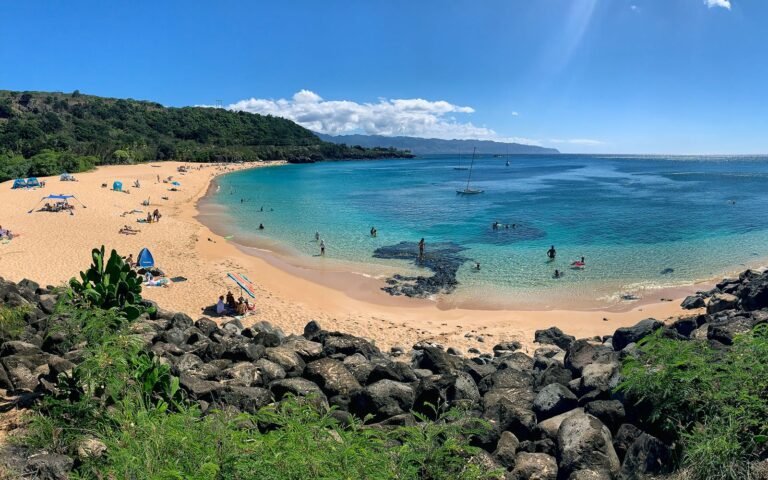
The North Shore stretches along the top of the island, from Haleʻiwa town past Waimea Bay to Sunset Beach and Turtle Bay. There is no hotel strip: you'll find a few hotels, small inns and vacation rentals among farms, food trucks and surf shops. In winter, big swells draw expert surfers and crowds of spectators; in summer, the same beaches are often calm enough for swimming.
Pros
- Beaches, Haleʻiwa and the surf scene are right outside your door.
- Quiet evenings and a slower, rural feel.
- Early mornings on the beach before the day-trippers arrive.
Cons
- It is the farthest of the four areas from Honolulu, Pearl Harbor and Waikiki.
- Few accommodation options, and a car is close to essential.
- Winter surf can make beaches dangerous for swimming. Check the forecast and follow lifeguards' advice.
Who it suits: repeat visitors, surf fans, and travelers who would rather spend a week in one place than see everything.
Day tours from the North Shore: a tour that starts in Waikiki before 7:15 a.m. means a very early drive from the North Shore. Many visitors book their first night in Waikiki, take the tour, then move north.
Kailua: a beach town on the windward side
Kailua sits on the windward (east) side, under the green ridges of the Koʻolau mountains. It is a real residential town, with cafés, a farmers market feel and local restaurants rather than resorts. Kailua Beach and nearby Lanikai are known for soft sand and clear, turquoise water, though parking near Lanikai is restricted and fills early.
Pros
- Some of the island's most beautiful beaches within a short walk or bike ride.
- A local, unhurried feel with good casual food.
- Closer to Honolulu than the North Shore, over the Pali Highway.
Cons
- Very few hotels; most stays are vacation rentals, and many are not legal (see below).
- The windward side gets more rain than Waikiki, usually in passing showers.
- Quiet evenings and limited nightlife.
Who it suits: beach lovers, couples, and visitors who have already seen Waikiki and want a different side of Oahu.
Day tours from Kailua: plan a drive or rideshare over to Waikiki for an early pickup, and allow extra time for morning traffic.
Taking a day tour when you don't stay in Waikiki
Many island tours, including ours, are built around Waikiki pickups. Our circle island tour collects guests at six fixed Waikiki points between 6:50 and 7:15 a.m.. If you stay outside Waikiki:
- Plan the morning the night before. Check the drive time for your departure hour, not the midday estimate, and book a rideshare in advance if you need one.
- Allow for traffic. Weekday mornings into Honolulu can be slow, especially from the west side.
- Consider a split stay. Spending the first nights in Waikiki puts every early tour within walking distance, and you can move to a quieter area afterward.
- Stay near a pickup point. If you do book in Waikiki, a hotel within a few blocks of one of the six points makes the early start easy.
See the whole island in one day
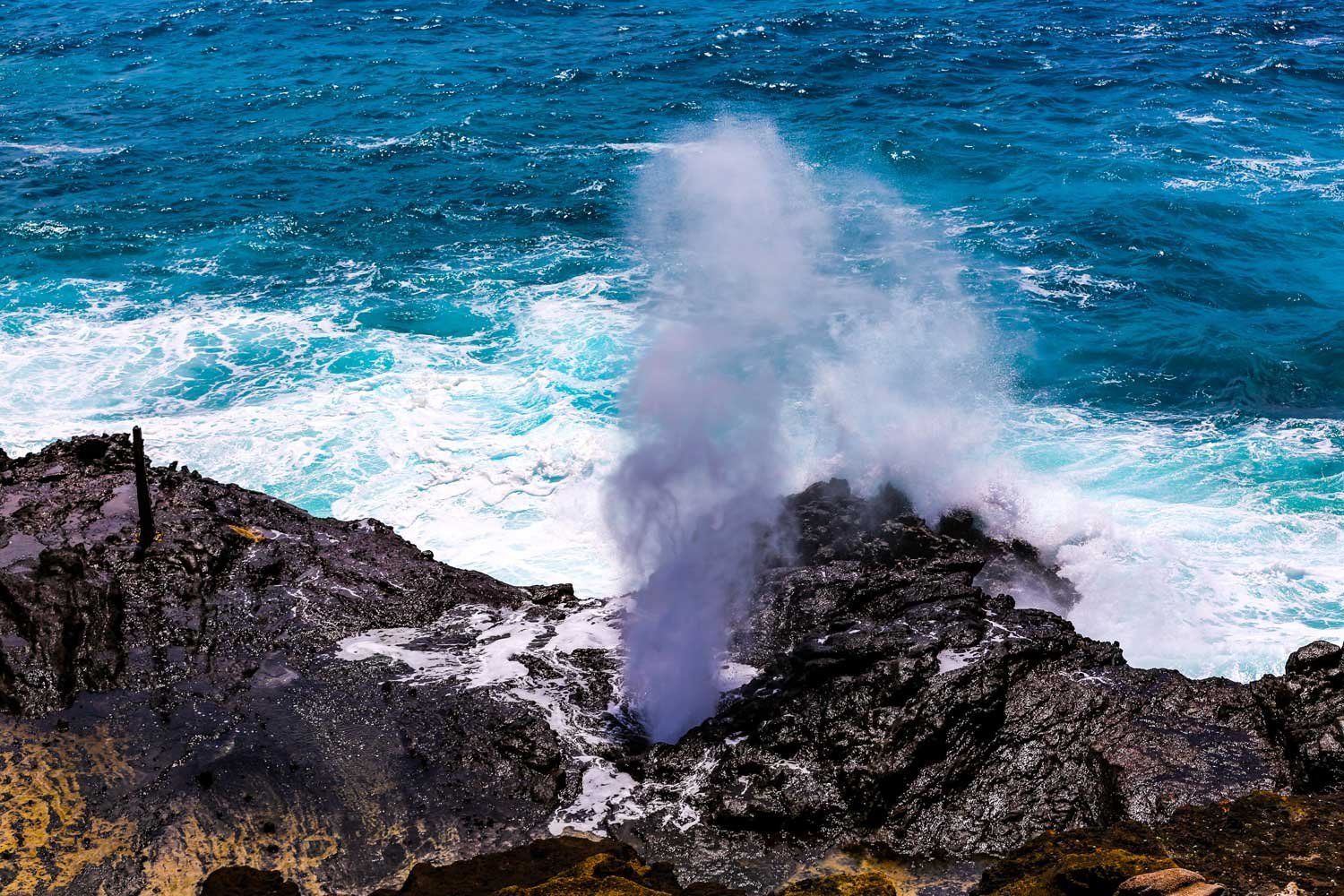
Diamond Head, Halona Blowhole, Mokoliʻi, Turtle Beach and Dole Plantation: 9 stops, pickup from six Waikiki points. From $49 with code FANTASY50, or $59 with a free malasada and snorkel gear.
See tour details and bookOne base or a split stay?
Staying in one place is simpler: you unpack once, learn the neighborhood and spend no time moving hotels. It is usually the better choice for trips of five nights or fewer, and for families with young children.
A split stay makes sense on longer trips when the second area supports a real part of your plans. A common pattern is three or four nights in Waikiki, where early tours and city sights are easy, followed by a few nights on the North Shore or at Ko Olina to slow down. Plan the move for a day without an early start, check the new hotel's parking and check-in times, and resist the urge to fill the transfer day with a long excursion.
Whatever you choose, think about how often you'll cross the island. If most of your plans are in Honolulu, staying on the far side of the island adds hours of driving. If you mainly want beach days and quiet evenings, a base away from Waikiki may be worth the extra effort on the days you do go into town.
Vacation rentals: how to check a listing is legal
Outside Waikiki, many visitors look at vacation rentals, especially in Kailua and on the North Shore. Honolulu strictly limits short-term rentals outside resort-zoned areas, and illegal listings are common. A legal listing protects you from last-minute cancellations if the city enforces against the owner.
Good to know: Honolulu rental rules (checked October 8, 2026)
- The city treats any rental of less than 30 consecutive days as a short-term rental, and enforces that 30-day minimum across Oahu outside resort-zoned areas.
- A legal short-term rental must be registered. Its ad must show the STR registration or NUC (nonconforming use certificate) number and the property's tax map key (TMK).
- An unregistered listing must state that the property may not be rented for less than 30 consecutive days. If a nightly listing shows no registration number, treat it as a red flag.
- You can look up an address on the city's STR eligibility map, and questions go to STR@honolulu.gov or (808) 768-7887.
Source: City and County of Honolulu, Department of Planning and Permitting, Short-Term Rentals FAQ. Rules change, so check the city's page before you book.
Keeping costs down wherever you stay
- Read the resort fee line. Many Oahu hotels add a mandatory daily resort fee on top of the room rate. Compare the total, not the headline price.
- Price the parking. Overnight hotel parking can add a meaningful amount per night, particularly in Waikiki. If you only need a car for one or two days, rent it just for those days.
- Value walkability. A slightly pricier room you can walk out of to the beach, dinner and tour pickups often costs less overall than a cheaper one that needs a car every day.
- Use tours for the long drives. One guided day around the island can replace a rental car, parking and fuel for the trips you'd otherwise drive yourself.
So where should you stay?
If it's your first visit and you don't want to drive much, start in Waikiki. If the resort is the vacation, choose Ko Olina. If you've been before and want a quieter week, try the North Shore or Kailua, and check rental rules carefully. Whichever you choose, the timing of your trip matters as much as the base. Our guide to the best time to visit Oahu covers weather, surf and crowds month by month, and if you're still choosing between islands, read Oahu or Maui for a first trip.
Staying in Waikiki? You're minutes from pickup
Our circle island tour leaves from six Waikiki points between 6:50 and 7:15 a.m. and covers Diamond Head, the windward coast, the North Shore and Dole Plantation in about 9.5 hours.
Book the circle island tour