The short answer: choose Oahu for a first trip if you want variety within a short drive, with city life, history and food alongside the beaches, and if you'd rather not drive much. Choose Maui if you picture a slower resort stay and long scenic road trips. If you have a week or more, you can do both: a short inter-island flight connects them, but each island deserves at least a few full days.
Both islands are beautiful, and neither is the "wrong" choice. They simply suit different trips. Oahu packs a lot into a small area: Waikiki and Honolulu, Pearl Harbor, the North Shore surf towns and the green windward coast are all within about an hour of each other. Maui is larger and less populated, and its highlights, from the summit of Haleakalā to the Road to Hāna, reward travelers who enjoy spending time on the road. Here is how they compare.
Oahu vs. Maui side by side
| Oahu | Maui | |
|---|---|---|
| Size and population | About 598 square miles; about 989,000 residents in Honolulu County (2025 estimate) | About 772 square miles; about 161,000 residents in Maui County, which also includes Molokaʻi and Lānaʻi (2025 estimate) |
| Getting around without a car | Practical from Waikiki: walking, TheBus, rideshares and tours with Waikiki pickups | Possible if you stay put at a resort; most sightseeing assumes a rental car |
| Signature experiences | Waikiki Beach, Pearl Harbor, Diamond Head, the North Shore, the windward coast | Haleakalā, the Road to Hāna, ʻĪao Valley, Upcountry, resort beaches |
| Pace | Lively in Honolulu, relaxed once you leave it | Slower and more spread out |
| Where visitors stay | Mostly Waikiki, plus Ko Olina, the North Shore and Kailua | Mostly the resort areas of West and South Maui |
| What drives the cost | Hotel and parking in Waikiki; you can often skip the rental car | Resort rates and resort fees, plus a rental car for most days |
| Who it suits | First-timers, travelers without a car, history and food lovers, short trips | Honeymooners, resort lovers, road-trippers, repeat visitors |
Sources: population from the Hawaii Department of Business, Economic Development and Tourism's Vintage 2025 county estimates (U.S. Census Bureau data); land area from the State of Hawaii Data Book, Table 5.10 (2010 basis).
What makes each island different
Oahu is Hawaii's most populated island and its main gateway. Honolulu gives it museums, a deep restaurant scene, shopping, public transportation and nightlife, while the rest of the island opens into beaches, mountain ridges, farms and surf towns. Because the island is compact, you can base yourself in one hotel and still reach almost everything as a day trip.
Maui feels more spread out and resort-oriented. Its appeal centers on the resort coastlines of West and South Maui, the cool slopes of Upcountry, the volcanic summit of Haleakalā and the winding road toward Hāna on the lush east side. Many visitors choose it for a balance of nature and unhurried downtime, with a few big excursions built in.
Beaches, snorkeling and the outdoors
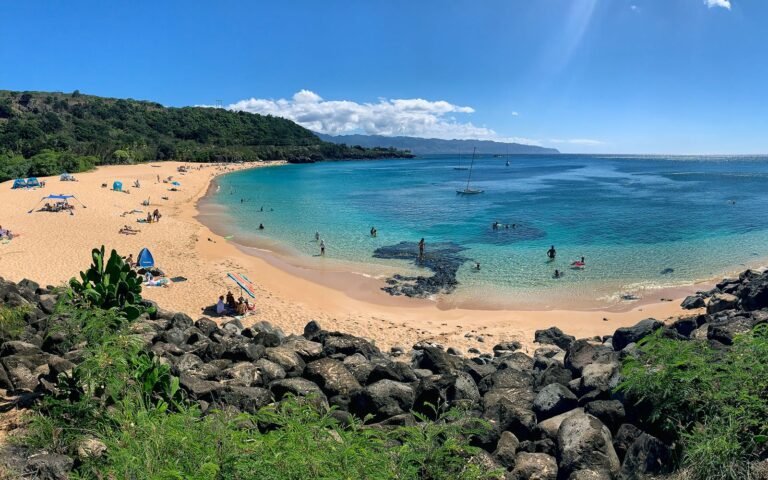
Both islands have superb beaches, but the experience differs. Oahu's range from the busy, gentle surf of Waikiki to the famous North Shore breaks and the soft sand of the windward coast, so you can choose a different kind of beach each day. Maui's best-known beaches sit along its resort coasts, which suits travelers who want the sand steps from the hotel.
For snorkeling, Oahu's best-known spot is Hanauma Bay, a protected nature preserve near Honolulu. It is regularly closed on Mondays and Tuesdays, according to the City and County of Honolulu, and visitors should check the city's current entry rules before planning around it. Maui is known for reef snorkeling along its sheltered resort coasts. On either island, conditions change with the season and the day, so check the forecast and swim where lifeguards are on duty.
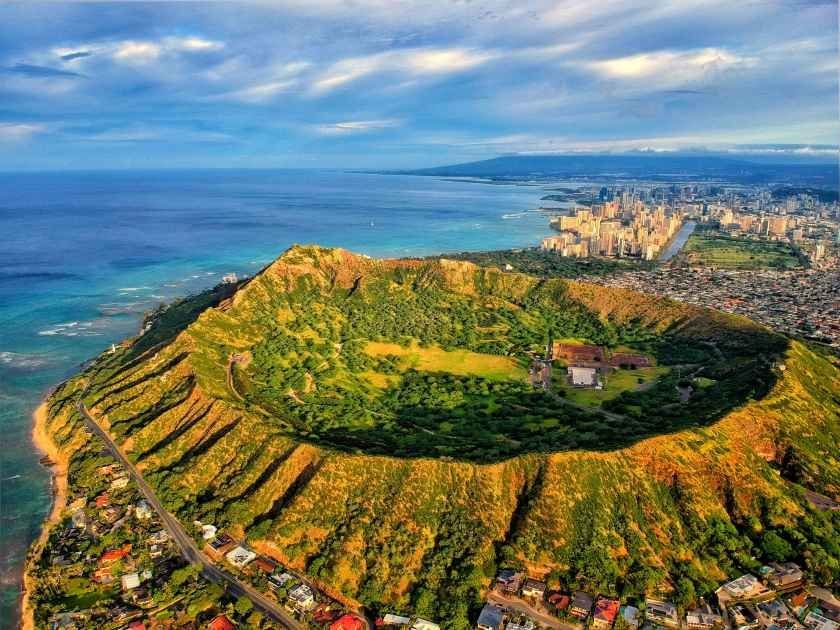
On land, Oahu is about accessible contrasts: a short hike or lookout at Diamond Head, mountain views on the windward side and surf culture on the North Shore, all within an easy drive. Maui is about bigger landscapes: the summit of Haleakalā, ʻĪao Valley and the rainforest along the road to Hāna, with longer drives between them.
Is Oahu worth visiting?
Yes, and especially for a first trip. The most common worry is that Oahu is "too crowded" or "too touristy." The honest answer is that Waikiki is busy: it is a dense resort district in a city of about a million people, and its main beach and Kalakaua Avenue are crowded at peak times. But Waikiki is a small part of the island. Drive 40 minutes in almost any direction and you are among farm stands, quiet beaches, mountain ridges and small towns like Haleʻiwa and Kailua.
That contrast is Oahu's strength. In one trip you can surf a gentle Waikiki wave, stand at the USS Arizona Memorial at Pearl Harbor, eat garlic shrimp from a North Shore truck and watch the sun set behind Ko Olina. Few places pack so much variety into so short a drive.
A few practical tips make Oahu feel less crowded:
- Start popular sights early, before the tour buses and day-trippers arrive.
- Reserve the big-ticket experiences ahead. The National Park Service strongly recommends reservations for Pearl Harbor's USS Arizona Memorial program.
- Spend at least one day beyond Waikiki, on the windward coast and the North Shore.
Is Oahu or Maui cheaper?
Neither island is always cheaper. What you pay depends on a few big cost drivers, and they work differently on each island:
- The rental car. On Oahu, a Waikiki-based trip can skip the car for most or all days, which also avoids nightly hotel parking. On Maui, most visitors rent a car for the whole stay, because the main sights are far apart.
- Where you sleep. Oahu has a wider range of hotels, from simple rooms to large resorts. Maui's stays are concentrated in resort areas, where rates and daily resort fees are often higher.
- Resort and parking fees. On both islands, many hotels add mandatory daily fees. Compare the full nightly total, not the headline rate.
- Tours and activities. A guided day can replace a day of car rental, fuel and parking. On Oahu, one circle island tour covers most of the island's highlights.
Flights to Honolulu also tend to have more nonstop options from the mainland, because Honolulu is Hawaii's main gateway, though fares vary widely by departure city and season.
Oahu or Maui by type of traveler
First-time visitors
Oahu is usually the easier first island. You get the classic Waikiki beach scene, major historic sites and a sampler of every kind of Hawaiian landscape, and you can see much of it without driving. Maui suits first-timers who already know they want a resort stay and a couple of big drives.
Honeymooners and couples
Maui's resort coastlines, sunsets and slower pace make it a natural honeymoon choice. Oahu works well for couples who want great restaurants, evening options and a mix of activity and downtime, and its North Shore and windward coast offer plenty of quiet romance.
Travelers without a car
Choose Oahu. A Waikiki base, the bus, rideshares and tours that pick up in Waikiki make a car-free trip genuinely easy. On Maui, going without a car usually means staying close to your resort.
Families
Oahu offers easy logistics, calm Waikiki and Ko Olina water and plenty of attractions, while Maui suits families who want a resort-based week. For more family detail, see our sister site's guide to whether Oahu is good for families.
Repeat visitors
If you've already seen Waikiki and Pearl Harbor, either island works well for a second trip. Oahu repeat visitors often stay on the North Shore or in Kailua for a quieter week, while Maui rewards travelers who want to slow down and explore one region at a time.
Doing both on one trip
Combining the islands is easy logistically. Southwest Airlines lists an average flight time of about 45 to 60 minutes between Honolulu and Kahului, Maui's main airport, with frequent daily departures (checked October 8, 2026). Add time for getting to the airport, security, bags and a new rental car or transfer, and the move takes about half a day.
A good rule is to give each island at least four nights, so you have several full days on each and only one travel day between them. If you have a week or less, most first-time visitors are happier choosing one island. Many start on Oahu, since Honolulu is the main gateway, and finish on Maui to wind down.
Good to know: flights and visiting West Maui (checked October 8, 2026)
- Flight time: Southwest Airlines gives an average of 45 to 60 minutes between Honolulu (HNL) and Kahului (OGG). Check your airline's schedule for your date.
- West Maui: the Hawaii Tourism Authority says major cleanup in Lahaina has been completed and many businesses have reopened. Visitors are asked to follow posted signs, stay out of restricted areas and not photograph fire-affected sites.
Sources: Southwest Airlines; Hawaii Tourism Authority (GoHawaii); MauiRecovers.org.
A day on Oahu from Maui
You can visit Oahu as a day trip from Maui, but it takes planning. Joining our circle island tour means reaching one of the six Waikiki pickup points between 6:50 and 7:15 a.m. Before you book, check what time the first flight from Kahului lands in Honolulu on your date, and allow time to get from the airport to Waikiki. If the timing is tight, fly over the evening before and stay one night in Waikiki. You'll start the day rested, and you can take a later flight back to Maui after the tour returns.
Visiting Maui respectfully
The August 2023 wildfires devastated Lahaina, and West Maui is still rebuilding. West Maui is open to visitors, and many Lahaina businesses have reopened. Follow posted signage, stay out of restricted areas, and check current guidance from the County of Maui and MauiRecovers.org before your trip.
Seeing Oahu in a day
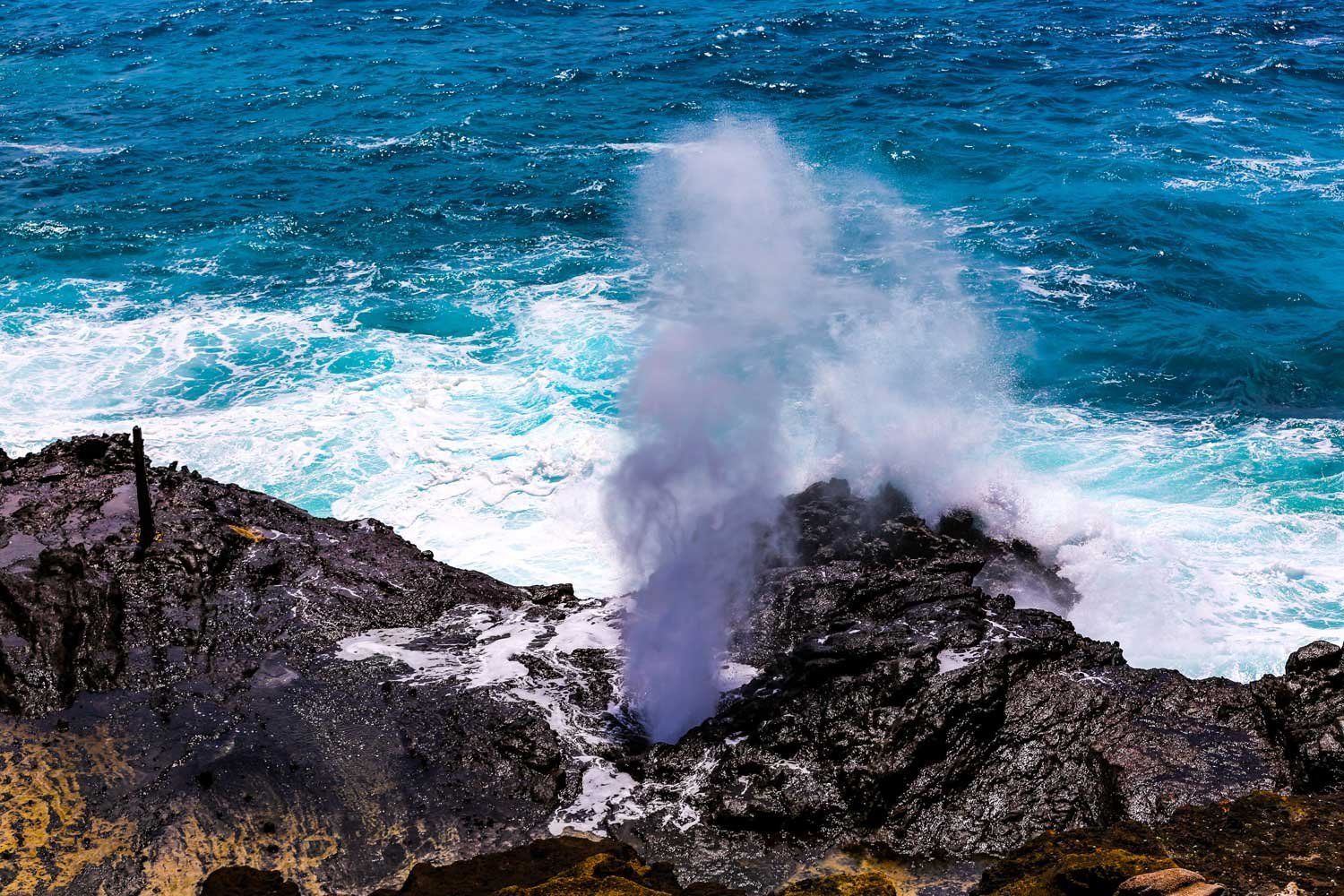
If you choose Oahu, or you're splitting your trip and only have a few days there, a circle island tour is the fastest way to see the whole island without a car. Ours is a guided day of about 9.5 hours with 9 stops: Diamond Head Lookout, Halona Blowhole, Leonard's Bakery, a macadamia nut farm, Mokoliʻi Island, Tanaka's Kahuku Shrimp for lunch, a 75-minute stop at Turtle Beach, the North Shore fruit stands and the Dole Pineapple Plantation.
There are two ways to book. The Promo Full-Day Loop is $49 with code FANTASY50 and includes Wi-Fi, refreshments and the Leonard's Bakery stop. The Standard Full-Day Tour is $59 and adds a free malasada and free snorkel gear. Want to know when to go? Our best time to visit Oahu guide covers weather, whales and surf month by month, and once you've decided, see where to stay on Oahu.
Chose Oahu? See the whole island in one day
9 stops, about 9.5 hours, pickup from six Waikiki points. From $49 with code FANTASY50, or $59 with a free malasada and snorkel gear.
See tour details and book